Flexible cables are engineered for a single defining purpose: to maintain electrical integrity while in continuous motion. Unlike standard cables that are bent once during installation and then left in place, flexible cables must withstand repeated flexing, torsion, and tight bending radii throughout their entire service life. This fundamental difference determines where they are used—and where they are indispensable.
Industrial Automation and Robotics
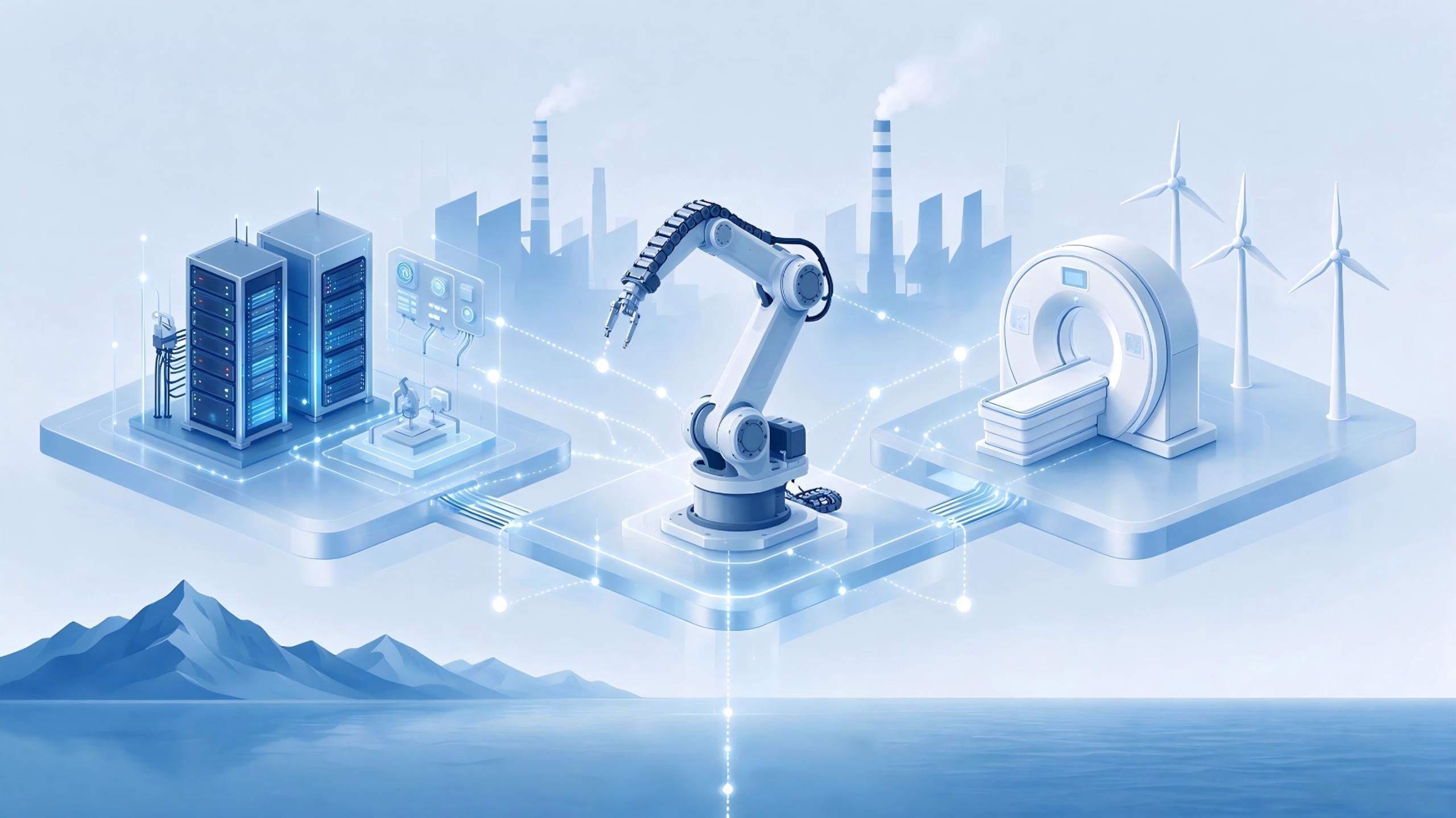
The most demanding environment for flexible cables is the automated production floor. Cables routed through cable carriers, or drag chains, travel back and forth thousands of times per shift alongside moving machine components. In robotic systems—articulated arms, Cartesian robots, and pick-and-place units—cables must endure not only continuous bending but also twisting as joints rotate. Servo and motor cables in these settings carry both power and control signals while the axis they serve is in constant motion. A standard cable would fail quickly under such conditions; a flexible cable is built to last.
Machine Tools and Precision Manufacturing
CNC machine tools and machining centers rely on flexible cables inside drag chains to connect control systems, data lines, and measurement devices to moving tool heads and worktables. High travel speeds, confined spaces, and the need for signal stability make cable reliability critical—a single failure can halt an entire production line. Similar demands exist in semiconductor manufacturing and precision assembly, where equipment must move with accuracy in tight quarters.
Logistics and Material Handling
Automated warehouses, sorting systems, stacker cranes, and shuttle vehicles all depend on flexible cables to connect moving carriages, lifts, and transfer mechanisms. In port machinery and large-scale handling equipment, cable carriers may travel long distances, placing sustained mechanical stress on every cable within them. Flexible cables are designed precisely for this kind of long-stroke, high-cycle operation.
Medical Equipment
Medical imaging systems such as CT, MRI, and X-ray machines require cables that connect moving or adjustable components—gantries, patient tables, and detector arrays—without compromising signal quality or patient safety. Handheld surgical instruments and endoscopic tools also demand fine, flexible connections that can be manipulated repeatedly without failure.
Other Dynamic Applications
Flexible cables also serve in automotive manufacturing lines, where welding robots and assembly equipment operate continuously; in wind turbines, where pitch systems and moving components require reliable connections; and in testing and inspection equipment, where cables are subjected to repeated motion during automated test cycles.
A Common Thread
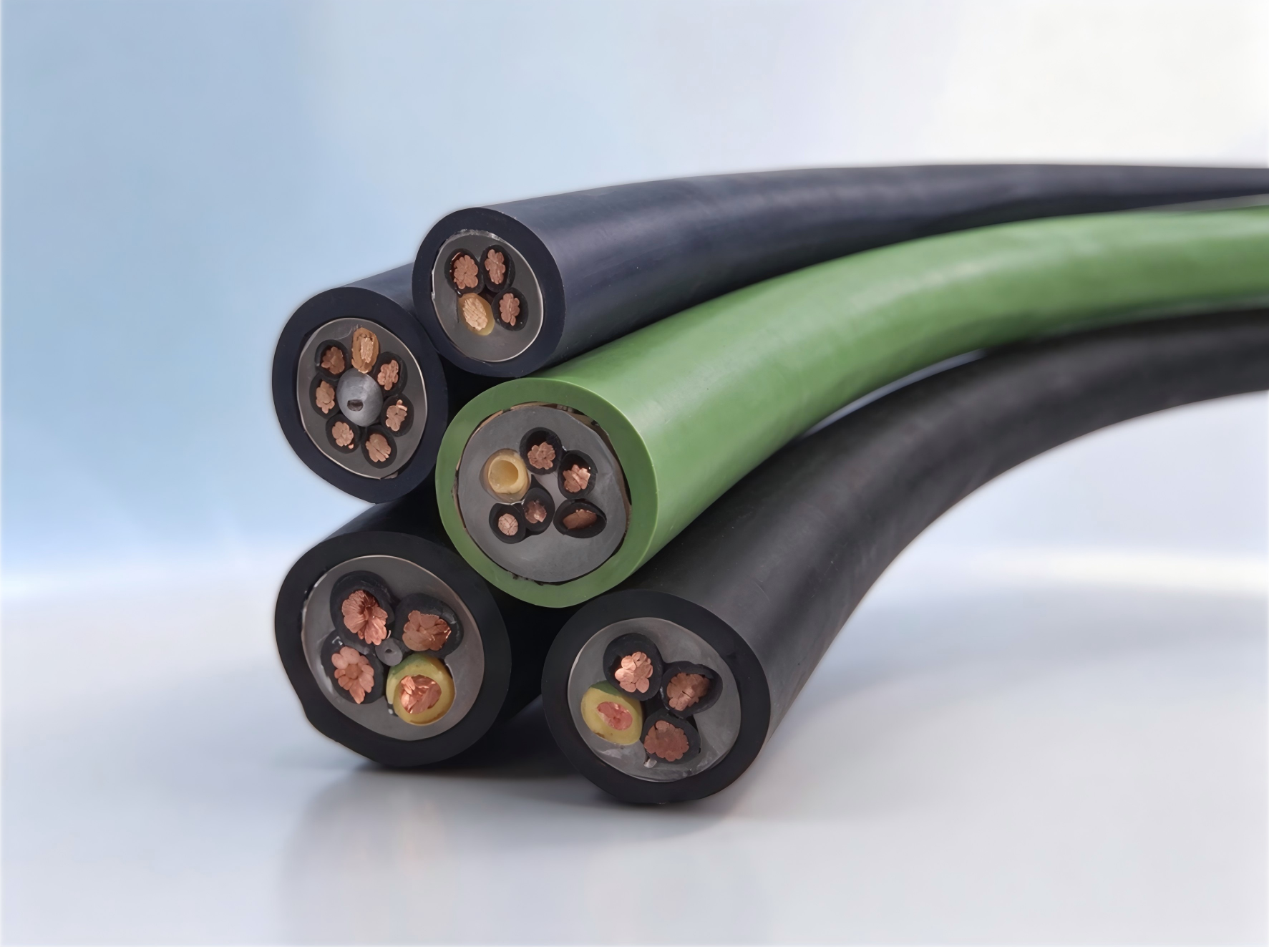
What unites all these applications is a simple requirement: the cable must move, and it must keep working. In every case, a conventional fixed-installation cable would suffer conductor breakage or sheath failure under the same conditions. Flexible cables—with their fine-stranded conductors, specialized jacketing, and optimized internal construction—exist to meet that requirement, making them essential wherever equipment operates under continuous motion.