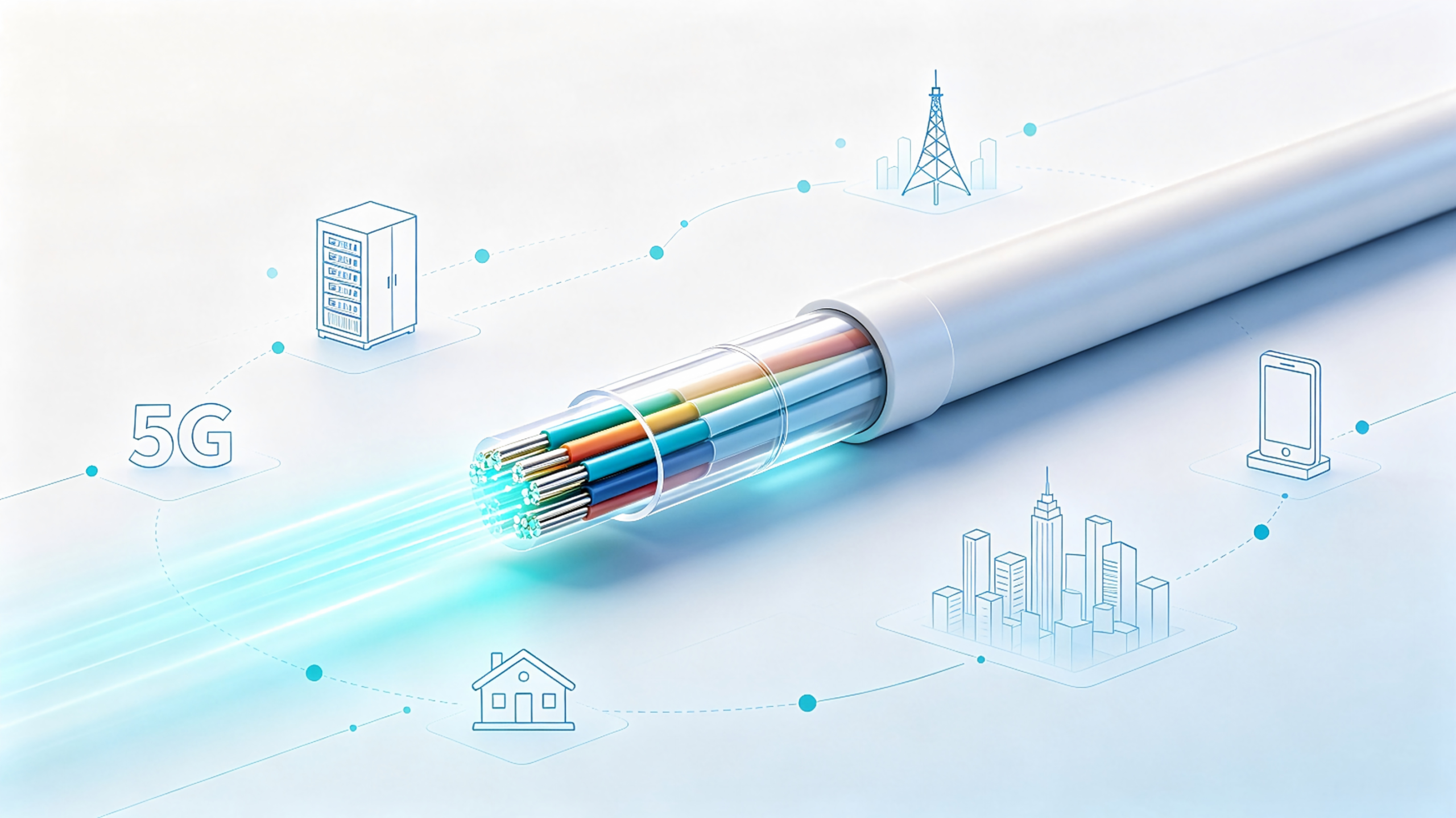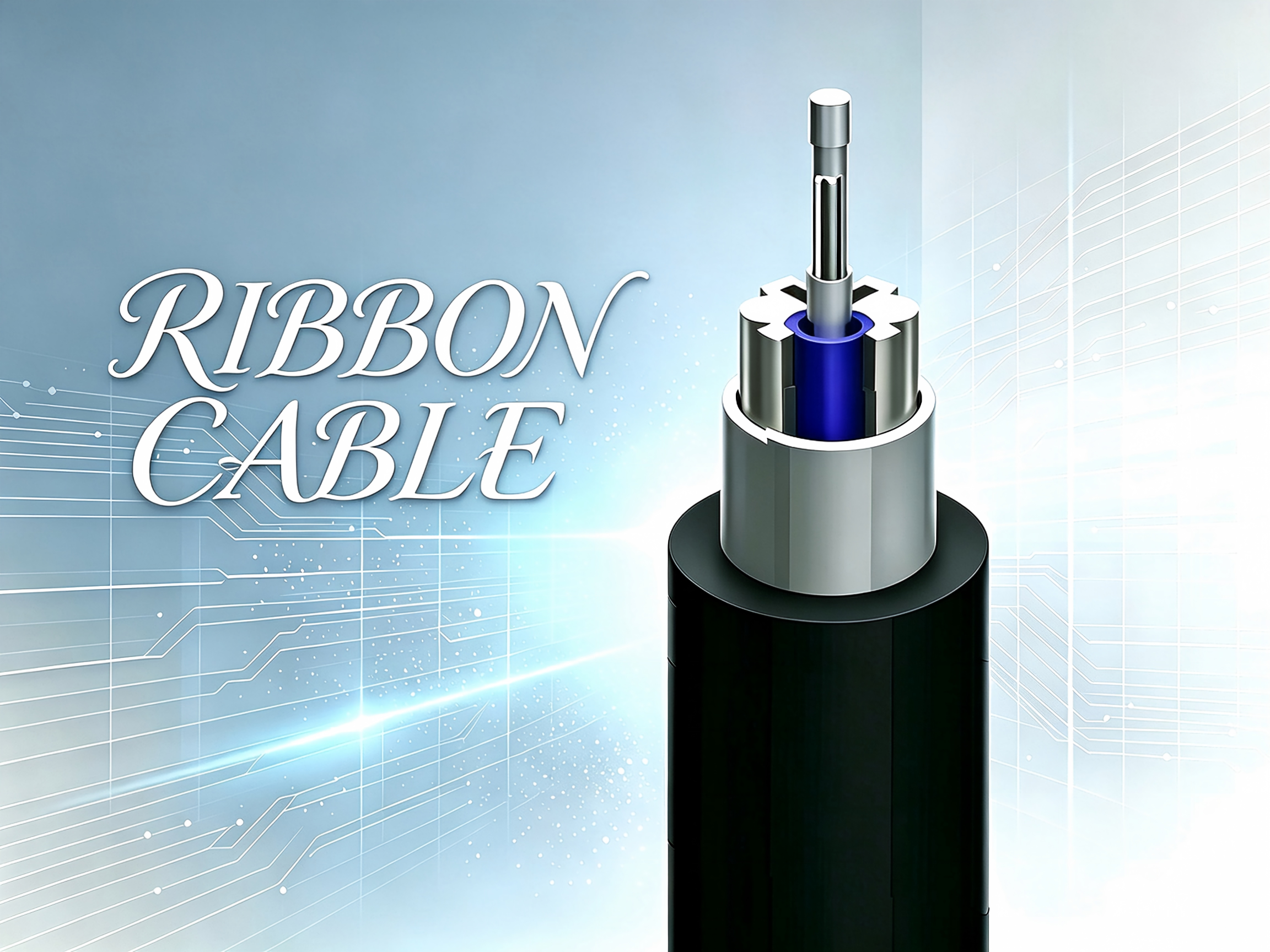
Drop cable is a specialized optical fiber cable designed for the final access segment of telecommunication networks. It serves as the terminating link that connects distribution points directly to end user premises, including homes, offices, and multi tenant buildings. Engineered for reliability and ease of deployment, drop cable is an essential component in FTTH (Fiber to the Home) networks and other last mile connectivity solutions, providing a dedicated pathway for signal transmission from the network backbone to individual subscribers.
Application Scenarios
1.FTTH (Fiber to the Home) Residential Deployments
Drop cable is the cornerstone of FTTH networks, functioning as the final physical connection between the street‑level distribution cabinet and the subscriber’s residence. In residential settings, it is installed along exterior walls, beneath eaves, or through pre‑installed conduits to enter individual apartments or houses. Its construction supports both overhead suspension from utility poles and concealed routing within building structures, ensuring a clean and durable connection that withstands long‑term environmental exposure.
2.Aerial Installations over Utility Poles
In areas lacking underground duct infrastructure, drop cable is widely deployed in aerial installations. It can be lashed to existing messenger wires or suspended independently between poles, covering various span distances. The cable’s mechanical design ensures stability under climatic stresses, making it a reliable choice for both urban and rural overhead networks.
3.Underground Conduit and Duct Systems
For urban environments where buried cabling is required for aesthetic or safety reasons, drop cable is well suited for installation within underground conduit and duct systems. Its flexible construction allows it to navigate bends, joints, and changes in direction within duct networks, reaching basements, parking garages, and ground‑floor entry points of commercial and residential buildings. The cable’s protective sheath guards against moisture ingress and chemical exposure common in subterranean environments.
4.Indoor Building Distribution
Beyond outdoor use, drop cable is extensively employed for indoor wiring within buildings. Its pliable nature enables easy routing through cable trays, ceiling voids, riser shafts, and wall cavities. In office environments, it can be run along baseboards or inside partition walls to connect workspaces to the building’s backbone network. In residential applications, it can be neatly installed along stairways or corridors to reach individual rooms, preserving interior aesthetics while delivering reliable connectivity.
5.Rural and Remote Area Connectivity
In sparsely populated regions where conventional infrastructure is limited, drop cable serves as an efficient means of extending network coverage over longer distances. Its ability to be deployed aerially across open terrain or laid in temporary ground configurations makes it a cost‑effective solution for bridging connectivity gaps. The cable’s resistance to harsh weather conditions and environmental degradation reduces maintenance demands in remote locations where service access is logistically challenging.
6.Temporary and Event‑Based Networks
For short‑term installations such as construction site offices, outdoor exhibitions, sporting events, and emergency response operations, drop cable offers a quick and dependable cabling solution. Its lightweight design allows for rapid deployment and easy retrieval, while its rugged construction ensures consistent performance throughout the duration of the event. This flexibility makes it a practical choice for network operators requiring temporary connectivity without compromising on transmission quality.
7.Multi‑Tenant Commercial Buildings
In office towers, shopping centers, and institutional campuses, drop cable is frequently used to connect individual tenant spaces to the building’s main distribution frame. Its ability to be routed through existing vertical risers and horizontal conduits, combined with straightforward termination procedures, enables service providers to rapidly provision new tenants without major structural modifications. This agility supports dynamic business environments where occupancy changes are frequent.
8.Smart City and Municipal Infrastructure
As urban environments become increasingly digitized, drop cable plays a growing role in smart city applications. It can be deployed to connect distributed sensors, traffic management systems, public Wi‑Fi access points, and surveillance cameras to central control networks. Its adaptability to both aerial and underground pathways, along with its resilience to environmental exposure, makes it a versatile transmission medium for the diverse and often demanding conditions encountered in municipal projects.