Optical Fiber Composite Overhead Ground Wire (OPGW) is a dual-function backbone integrating lightning protection, fault current handling and high-speed fiber optics. It delivers reliable, cost-effective solutions for diverse industrial scenarios, with core applications driving 2026 digital transformation as follows.
High-Voltage & Ultra-High-Voltage (HV/UHV) Transmission Lines
OPGW is the standard choice for 110kV–1000kV lines, replacing traditional ground wires to provide lightning/short-circuit protection and dedicated communication channels, reducing outages by 40% and project costs by 25–30%.
Smart Grid & SCADA System Infrastructure
As the nervous system of smart grids, OPGW enables real-time monitoring with <1ms latency, supporting substation automation, grid stability monitoring and distributed energy integration.
Telecom & Broadband Network Expansion
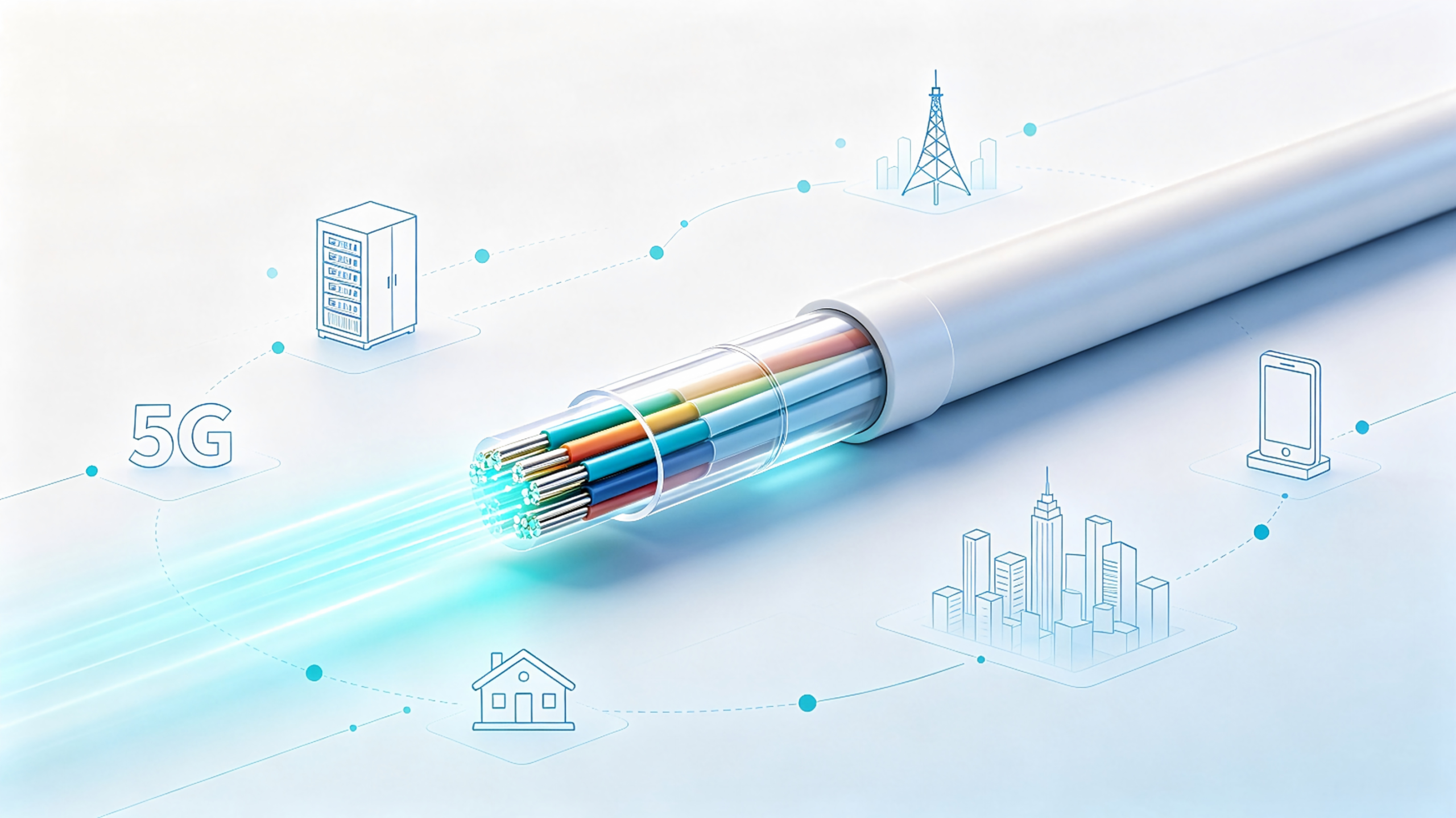
OPGW provides cost-effective fiber connectivity via shared power corridors, supporting 5G backhaul, rural broadband and data center interconnections while avoiding high construction costs.
Railway & Transportation Digitalization
Railways adopt OPGW for resilient digital infrastructure, enabling real-time signaling, trackside monitoring and dual-path communication for maximum reliability.
Harsh & Extreme Environment Deployment
With high tensile strength and corrosion resistance, OPGW adapts to challenging terrains including coastal areas, mountain/ice zones and disaster-prone regions.
Legacy Grid Modernization & Fiber Monetization
OPGW enablesnon-disruptive upgrades for aging grids and new revenue streams by leasing spare fiber capacity, extending grid lifespan by 20+ years.
Why OPGW Is Indispensable in 2026
Amid growing demand for smart, green, and connected infrastructure, OPGW unifies power protection, high-speed data and cost savings, becoming the trusted choice for future-proof networks.
Explore Our OPGW Solutions
Contact our team to discover customized OPGW cables for your critical infrastructure projects, delivering reliability, efficiency and innovation.